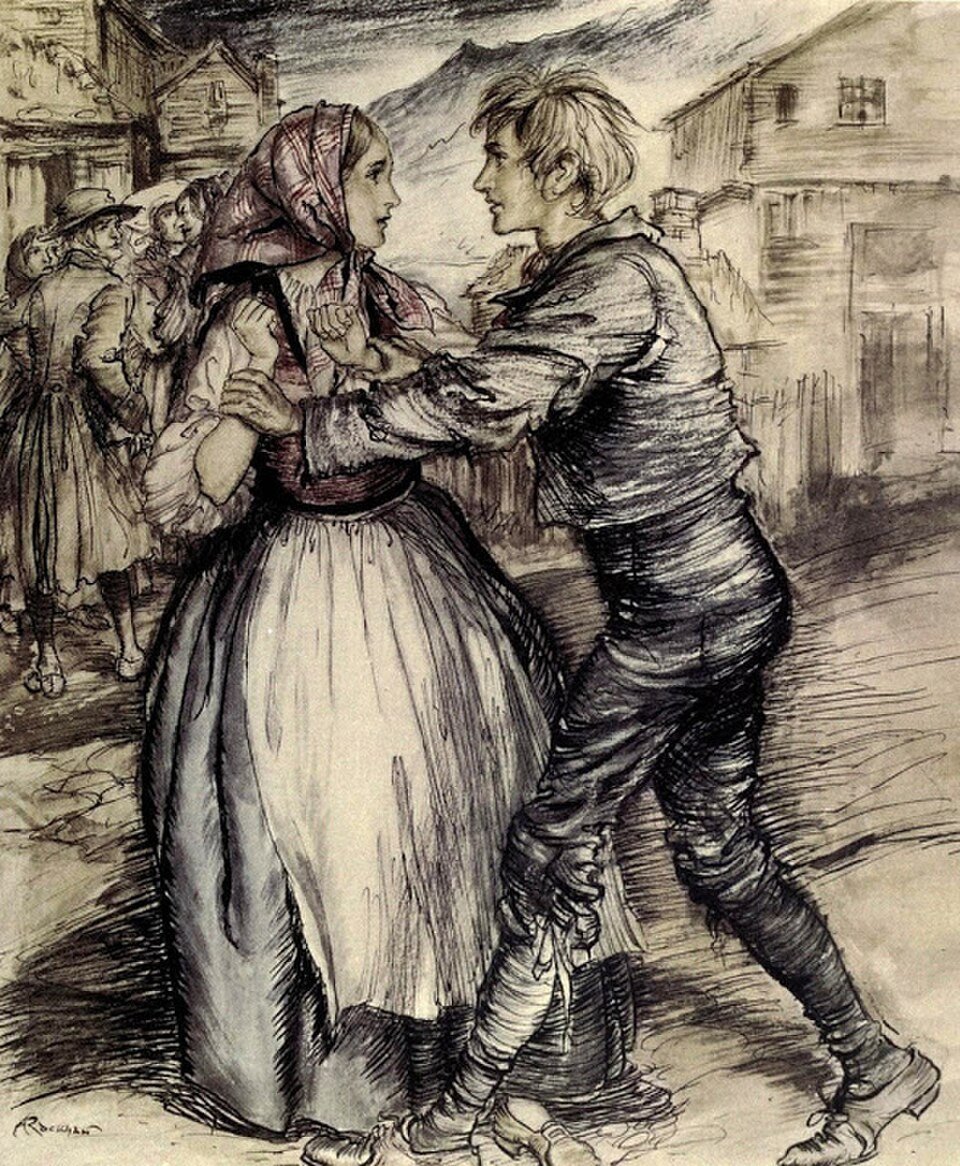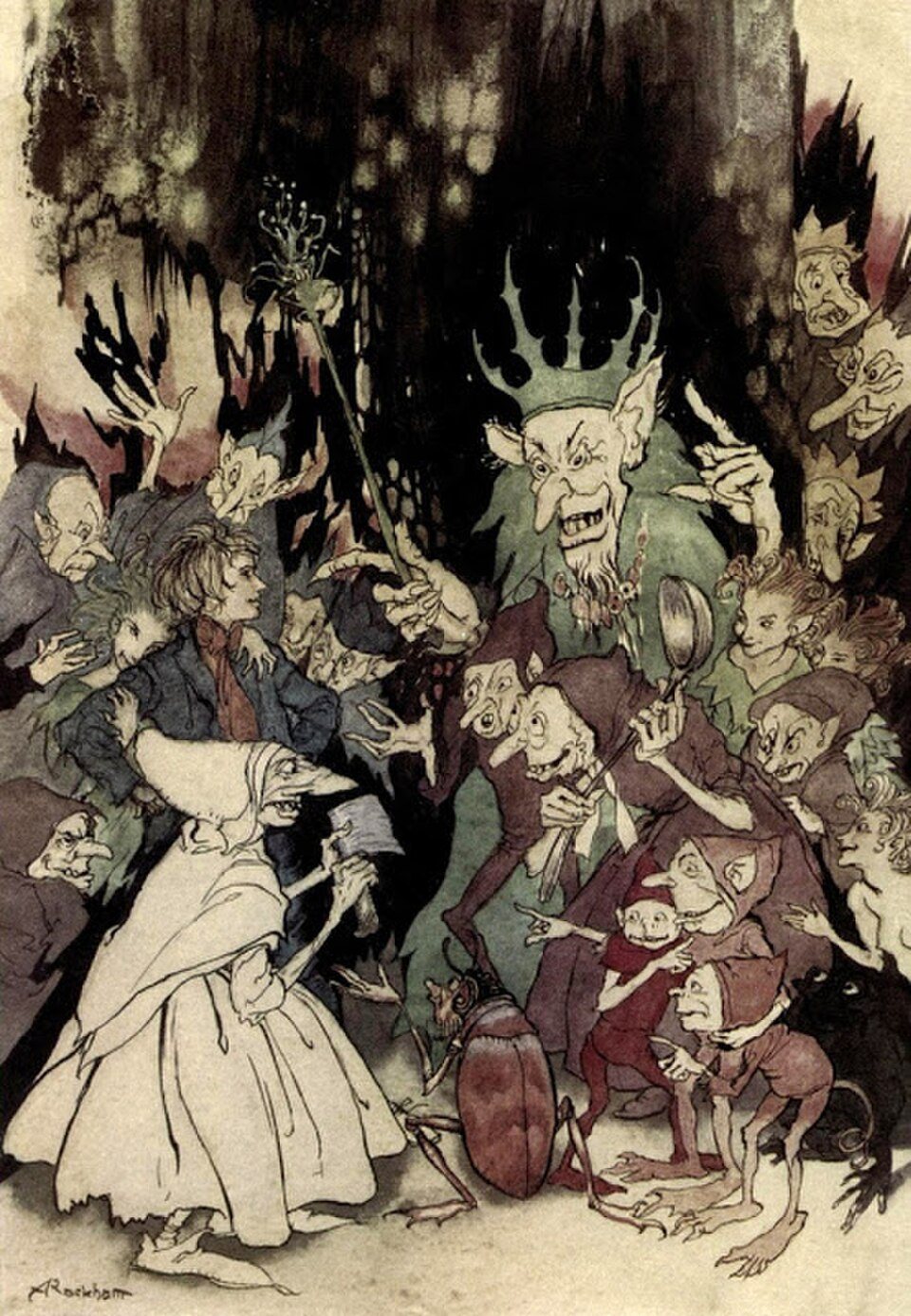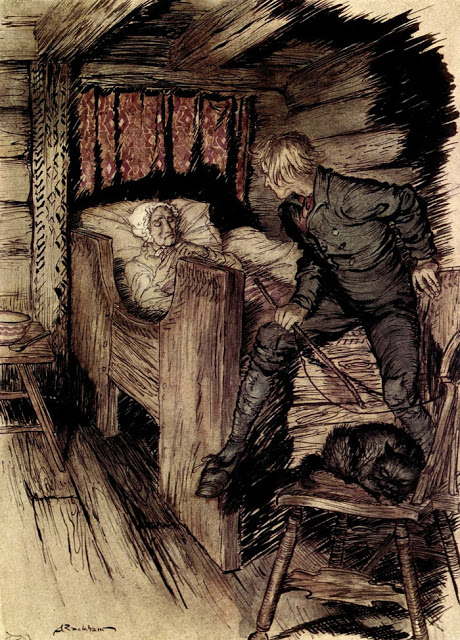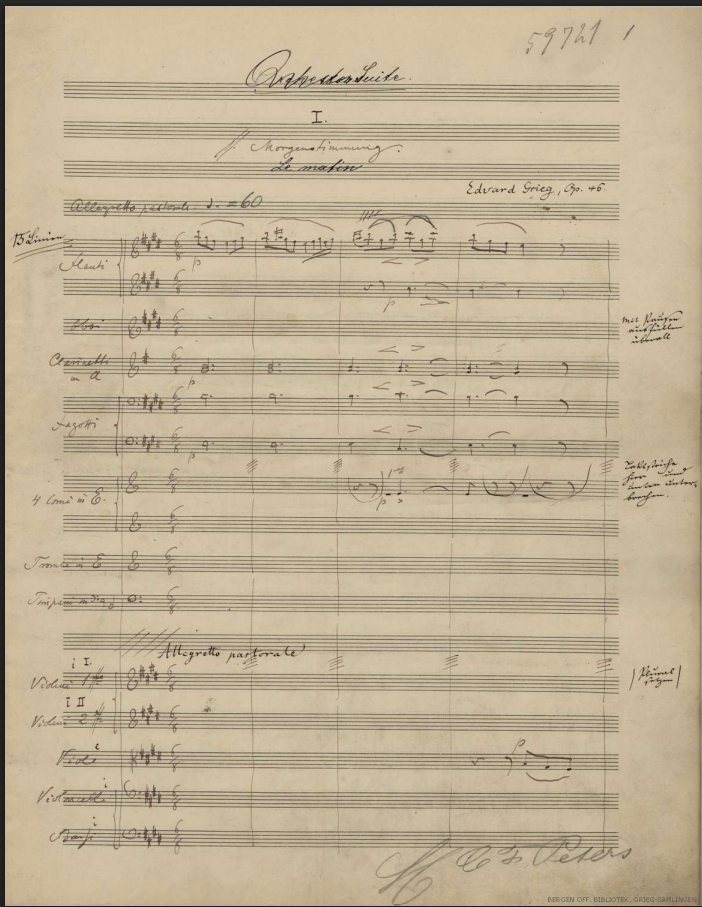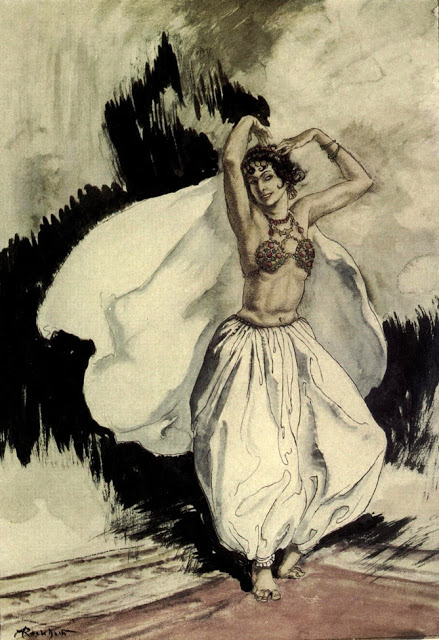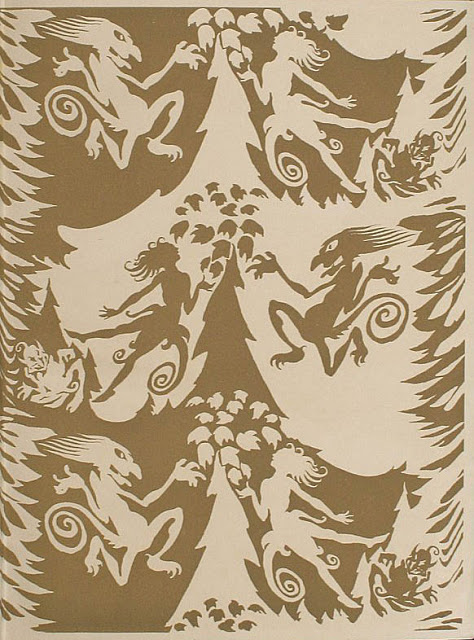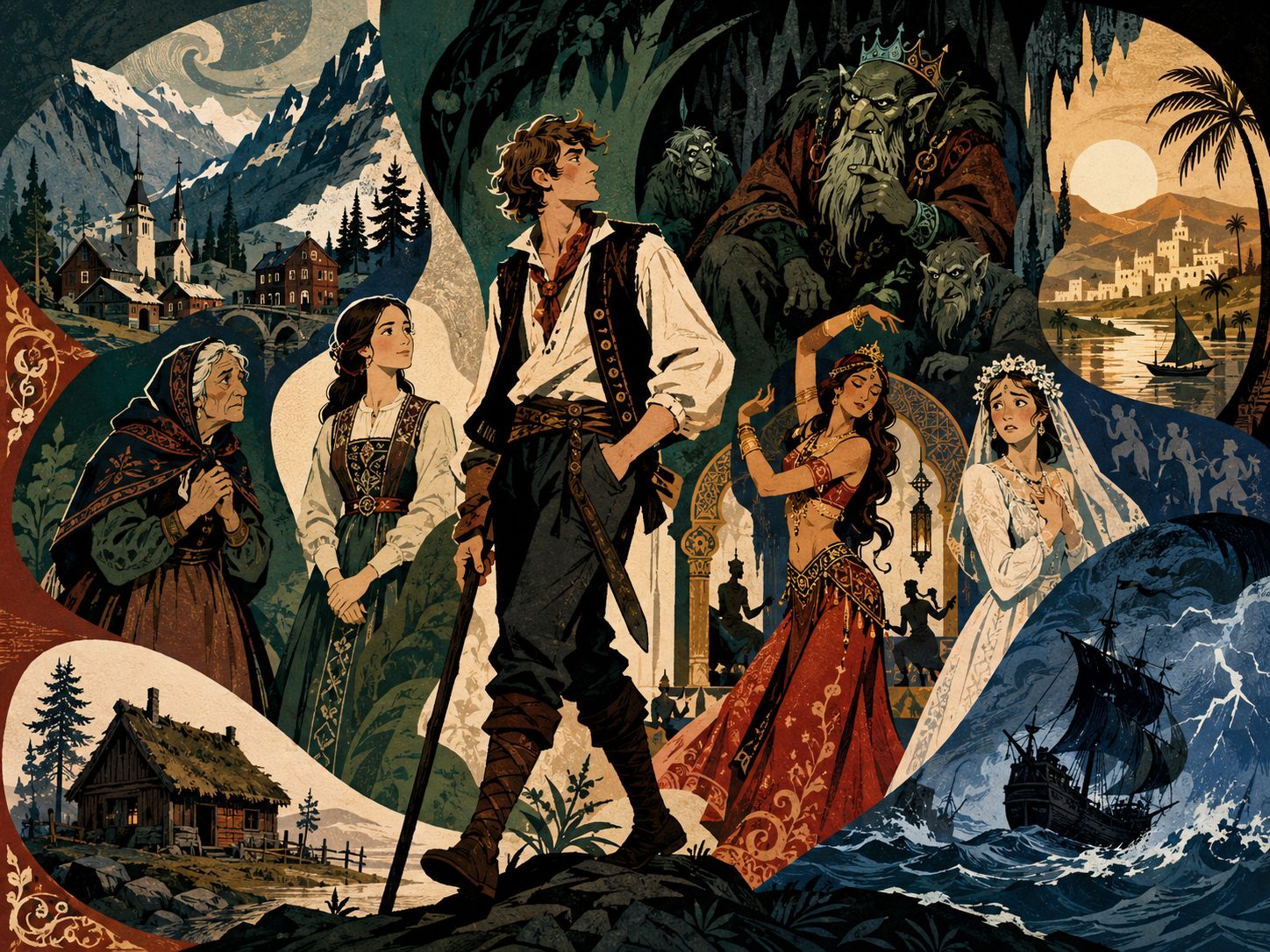
There are three names to keep straight. Ibsen wrote the play. Grieg wrote the music for the play, then turned some of it into concert pieces. Rackham illustrated the story decades later. This page brings those three things back together: the drama, the music, and the images.
Ibsen: the playwright behind the story
Henrik Ibsen is often called the father of modern drama. A Doll’s House gave theatre one of its defining images of social rebellion — yet Peer Gynt, written earlier in 1867, is a different beast: a sprawling verse-play of folklore, fantasy, trolls, deserts and spiritual reckoning. Its hero is not a noble adventurer but a brilliant evader — a man who keeps turning life into performance rather than responsibility.
Grieg: the composer behind the suite
Edvard Grieg, Norway’s best-known composer, was invited by Ibsen in 1874 to write music for the play’s first staged production, which opened in 1876. He later drew the most popular numbers into two concert suites — the way most audiences meet the music today. Grieg’s reach extends well beyond these famous miniatures: the Piano Concerto in A minor, the Holberg Suite, the Lyric Pieces for piano, songs and chamber music, all shaped by Norwegian folk melody and dance. In Peer Gynt, that gift for atmosphere becomes theatrical — a mountain kingdom, a deathbed, a sunrise or a dance, sketched with astonishing economy.
The result became one of the great meeting-points between theatre and the orchestral canon. Morning Mood and In the Hall of the Mountain King are now among the most recognisable short pieces in classical music: concert-hall favourites, school-orchestra staples, film-and-advertising shorthand, and gateways into nineteenth-century orchestral colour. Their familiarity can make them seem like free-standing mood pictures, but they are sharper and stranger when heard as theatre music: music attached to a selfish hero, a moral fable, and a play about what it means to become a real self.
For many listeners, Peer Gynt is a doorway into classical music itself. Morning Mood and In the Hall of the Mountain King are short, vivid, memorable, and instantly recognisable — the kind of pieces people hear in films, cartoons, advertisements and school concerts long before they know Grieg’s name. But their popularity has also separated them from the story they were written to serve. Reconnecting them to Ibsen’s play makes familiar music feel strange again.
Rackham: the illustrator behind these images
Arthur Rackham (1867–1939) was the leading English book-illustrator of the Edwardian age. He shaped famous editions of Peter Pan in Kensington Gardens, Rip Van Winkle, Alice in Wonderland and the tales of the Brothers Grimm. Among the last works of his life were the plates for a 1936 edition of Peer Gynt — the troll-hall, Åse’s deathbed and Anitra’s dance drawn with the same gnarled, uncanny imagination he brought to folklore all his life. More about him at The Arthur Rackham Society.